GEAR + HOME / DISPATCH
Choosing a Dog Harness That Fits
The practical questions that matter when comparing harness shape, movement, adjustment and everyday use.
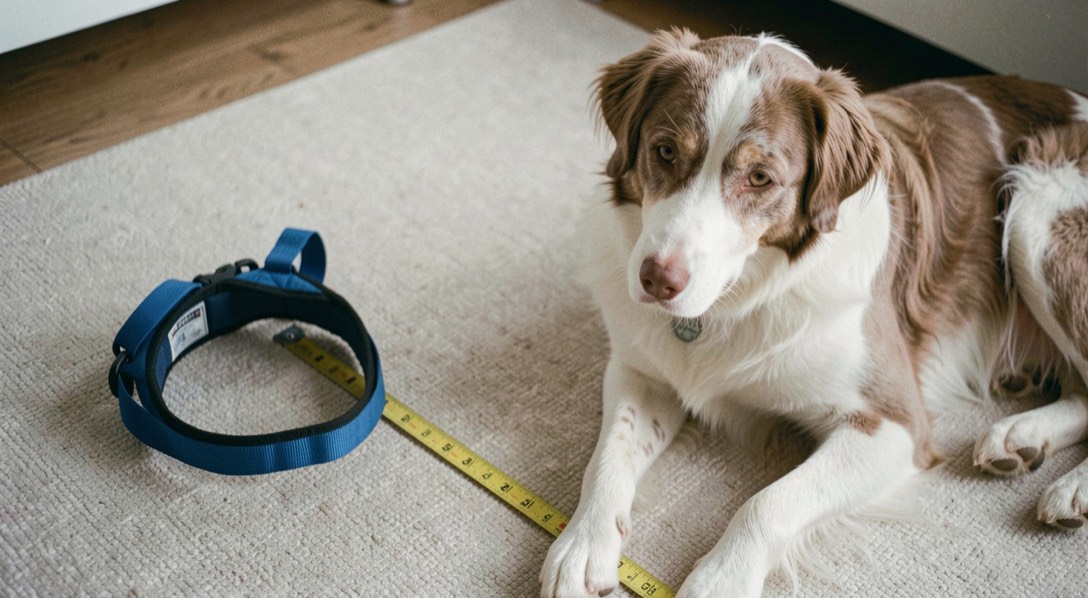
Begin with the dog, not the product photo
Harnesses are pieces of equipment that sit on moving bodies. Coat, chest shape, neck sensitivity, gait, age, strength and the way a dog reacts to handling all matter. Measure according to the manufacturer's instructions, but treat the measurement as a starting point because two designs with the same number can sit very differently. Notice where straps will pass relative to the shoulder, armpit and throat. A good choice gives you control for safety without asking the dog to work around pressure or constant rubbing.
Watch movement in several directions
Fit a harness while the dog is standing, then observe a few steps forward, a turn, a sit and a relaxed walk. Look for straps that slide toward the throat, cut into the armpit or shift enough for the dog to back out. Check that the front legs can extend naturally and that the chest piece does not press across a moving joint. A harness should not be judged only while the dog is still on a shop floor. Movement reveals the relationship between shape, adjustment and the individual body.
Use adjustment as a repeated check
The fit can change after grooming, weight change, coat growth or a different layer of clothing. Learn the adjustment points and check them before each walk until the routine is automatic. You should be able to slide a finger where appropriate without leaving a loose path for escape, but exact clearance varies by design and dog. Ask a qualified professional or experienced fitter to demonstrate. Inspect buckles, stitching and clips regularly. A harness that was right last month is not automatically right today.
Consider how the lead will be used
A back clip, front attachment or dual connection each changes how a person handles the lead. The choice should support a humane training plan and the dog's safety, not promise to fix pulling by itself. Never use a front attachment to force a dog into a position that creates strain or fear. Keep the lead, harness and human grip compatible, and practice putting the equipment on when the dog is calm. RSPCA guidance on training is a helpful reminder that equipment works best alongside reward, timing and attention to welfare.
Make wearing it an easy skill
If the dog dislikes a harness, break the process into pieces. Show the harness, offer a reward, put it away. Touch a strap to the shoulder, reward, release. Place it on for a few seconds, then remove it before the dog has to fight the sensation. Avoid chasing or pinning the dog to get ready. A harness can become part of a predictable walk ritual when the human notices small signals and adjusts the pace. If the response is fearful or painful, ask a veterinary team to consider discomfort before pushing training further.
Choose the version you can maintain
The best harness is cleanable, visible in low light, durable at the stress points and easy for the household to use correctly. A complex design that is always twisted is not a safer choice. Keep a spare if wet weather and mud are part of your life, and replace equipment after damage rather than improvising a repair near traffic. Product comparisons are useful only when they explain the trade-offs. Fit, movement, handling and routine are the real specification. Let the dog show you whether the design works.
KEEP THIS CLOSE
Four small moves
- Compare the design against the dog's body and handling history.
- Watch shoulder, throat and armpit areas during real movement.
- Recheck adjustment after grooming, weight or coat changes.
- Pair equipment with humane training and replace damaged parts promptly.
Sources & further reading
These links shaped the frame for this dispatch. They are starting points for a deeper conversation, not a substitute for individual advice.