EVERYDAY / DISPATCH
Why Pets Sleep So Much
A practical guide to reading rest as part of normal life while noticing changes that deserve a professional question.
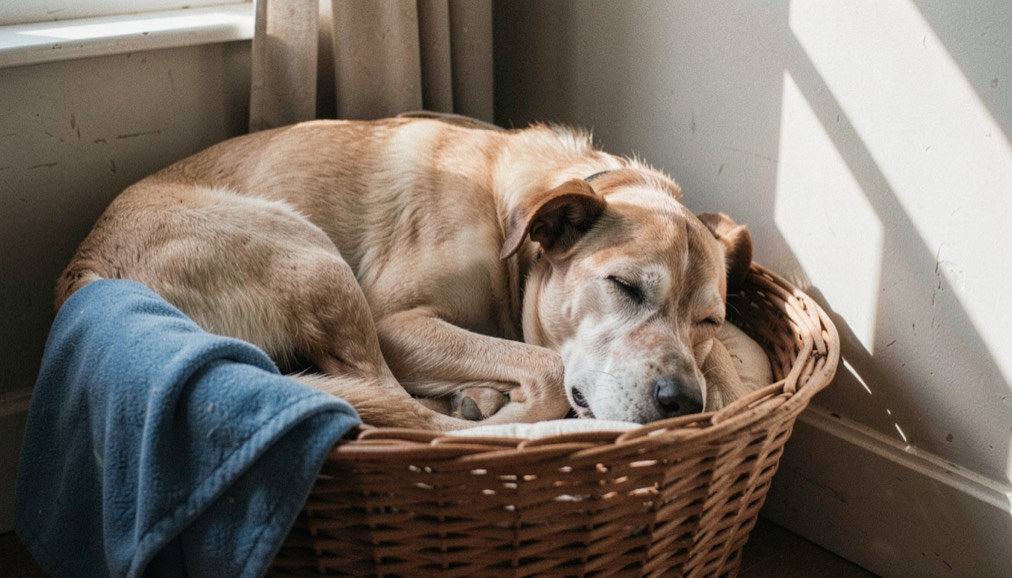
Rest is part of the animal's work
Dogs and cats divide a day differently from people. Rest supports growth, learning, recovery and the ability to respond to the world. Young animals, older animals and pets recovering from a busy day may sleep for long stretches. A quiet nap is not a problem to solve. Start by learning your pet's ordinary rhythm: where they rest, when they become alert, how they respond to food or a familiar sound and whether they return to normal activity afterward. A baseline makes a change easier to describe without treating every long nap as a warning.
Look at the whole day
Sleep length alone cannot answer whether a pet is well. Note appetite, water, toileting, movement, interest, breathing, grooming and social response. A cat that sleeps in a new spot but eats, plays and moves normally may be telling you about temperature or comfort. A dog that sleeps more and also avoids stairs, meals or touch presents a different question. Keep observations simple and dated. The pattern matters more than one afternoon, while a sudden or concerning change should move to a veterinary conversation.
Protect good places to rest
Pets need sleep that is not constantly interrupted. Give them a bed, mat, perch or quiet room away from direct heat and busy traffic. Teach children and visitors that a resting animal can be left alone. Cats may rotate between several places; dogs may prefer a predictable boundary. Observe whether the space is easy to enter and leave. An older pet may benefit from stable footing and a bed that does not require a jump. Small environmental changes can support comfort without turning rest into a medical project.
Understand the difference between sleepy and flat
A sleepy pet can usually rouse and reconnect in a familiar way. A pet that is difficult to wake, unusually weak, disoriented, struggling to breathe, refusing food or showing another serious change needs prompt professional advice. Do not rely on a checklist or internet comparison to decide that a concerning combination is normal. If you are worried, call a veterinary service and describe what you saw, when it began and what else changed. This page cannot examine an animal and is not a diagnosis.
Let age change the conversation
Life stage affects rest, but it does not create a universal timetable. Puppies and kittens need different recovery from adults, while senior pets may sleep more and still benefit from regular assessment. AAHA senior-care resources outline why age-related changes can make testing and observation more important. Bring a sleep or energy note to a checkup if the pattern has shifted gradually. The useful question is not whether the pet matches an average. It is whether this pet's rhythm is stable, comfortable and understood.
Make rest visible without disturbing it
A weekly note can capture where the pet sleeps, how easily they wake, what activity happens beforehand and how they behave afterward. Avoid waking a sleeping animal repeatedly to collect data. Use a short video only when it helps show a repeated movement or breathing pattern and never delay care to film. Share the context with a veterinarian when something changes. Healthy rest is one of the quietest forms of care. The household's job is to protect it and notice when quiet has become a different kind of stillness.
KEEP THIS CLOSE
Four small moves
- Learn the pet's ordinary rest pattern instead of counting hours in isolation.
- Protect quiet, stable resting spaces and let sleeping animals stay undisturbed.
- Look at appetite, movement, breathing and response alongside sleep.
- Seek veterinary advice for sudden, severe or combined changes.
Sources & further reading
These links shaped the frame for this dispatch. They are starting points for a deeper conversation, not a substitute for individual advice.