EVERYDAY / DISPATCH
A Seasonal Pet Safety Checklist
A light-touch planning ritual for weather, visitors, travel and the everyday hazards that change across the year.
Begin with the change you can see
Seasonal planning is most useful when it follows a real change in the household. Heat, cold, storms, pollen, travel, visitors, school holidays or darker evenings can alter how a pet moves through the day. Write down the first thing that will be different and plan around it. Avoid copying a long list of products from a seasonal article. The question is what this pet will encounter, what route keeps them comfortable and which contact details or supplies need to be ready before the calendar gets busy.
Review the home and the route
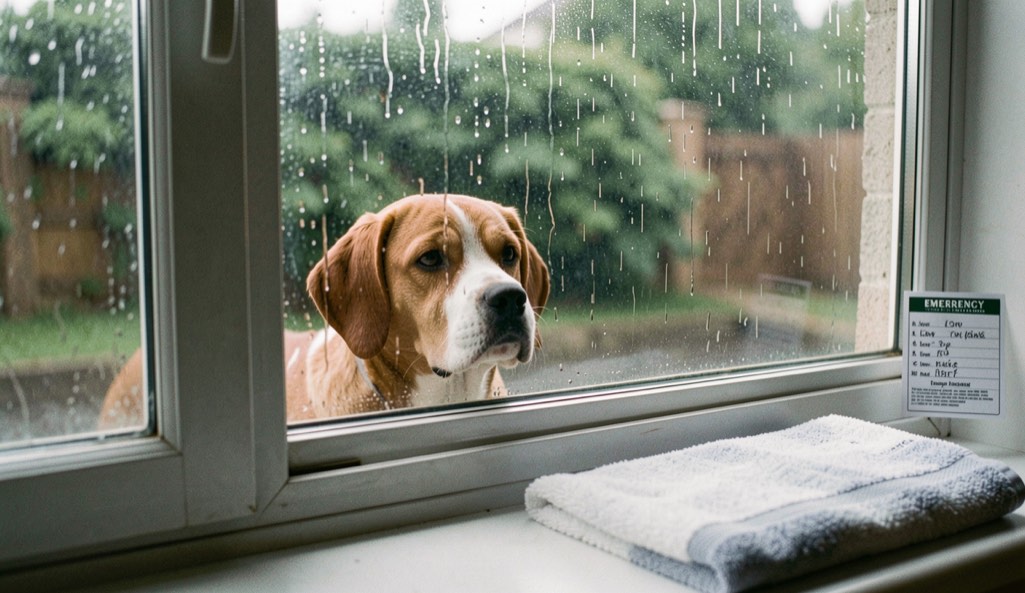
Check windows, screens, balcony access, gates, fencing and the places a pet may hide during noise. Look at walking surfaces, shade, lighting and the availability of water. A route that was easy in spring can be slippery, hot or crowded later. Keep a towel, lead, identification details and a way to contact the veterinary clinic easy to find. The check is deliberately boring. Repeated safety depends on the ordinary items being in the same place when someone is rushed.
Make visitors predictable
Seasonal gatherings bring people, food, bags, doors and unfamiliar movement into a home. Give the pet a retreat before guests arrive and tell visitors how to respect it. Secure food, medication, alcohol and small objects, and watch open doors during greetings. A dog may need a walk before the room fills; a cat may need a separate quiet space. Do not rely on a pet to tolerate a crowd because they managed it once. Choice and a way out lower the pressure.
Plan travel with a margin
If a pet is travelling, check the carrier or harness, identification, medication, food and rest stops well before departure. Practise the equipment in small doses rather than unveiling it on the morning of the trip. Keep records and the clinic's details with the travel bag. Ask a veterinarian about motion sickness, medication or destination-specific risks rather than improvising from a forum. If the pet is staying home, write a clear routine for the person caring for them and include what changes should prompt a call.
Treat weather as a welfare question
Temperature, humidity, ice, rain, wind and smoke can all change what a pet can comfortably do. Watch behaviour rather than waiting for a dramatic sign: slowing down, seeking shade, lifting paws, refusing a route or becoming unusually restless can be information. Adjust timing, surface, distance and rest. Never use a generic temperature cut-off as a substitute for observation and professional advice. If a pet appears in distress, contact a veterinary service promptly. The safest seasonal plan has permission to become shorter.
Make a one-page household prompt
Write the current clinic number, emergency route, pet identifiers, medication notes and the three seasonal changes most relevant to your home. Put it where a visitor or sitter can find it. Review it when clocks, routines or travel plans change. AAHA preventive resources can help you prepare questions, but local veterinary advice remains the right source for the individual animal. A seasonal checklist should reduce noise, not add guilt. Its job is to make the next sensible action visible when a day is already full.
KEEP THIS CLOSE
Four small moves
- Name the actual seasonal change instead of collecting every possible warning.
- Check routes, doors, screens, water, identification and clinic details.
- Create a retreat and visitor plan before gatherings begin.
- Shorten or change an activity when the pet's comfort says it is time.
Sources & further reading
These links shaped the frame for this dispatch. They are starting points for a deeper conversation, not a substitute for individual advice.